




Come visit us at NRF2023 Jacob K. Javits Convention Center | New York City

Read More

Why Do Global Buyers Trust Case Studies for Solutions?

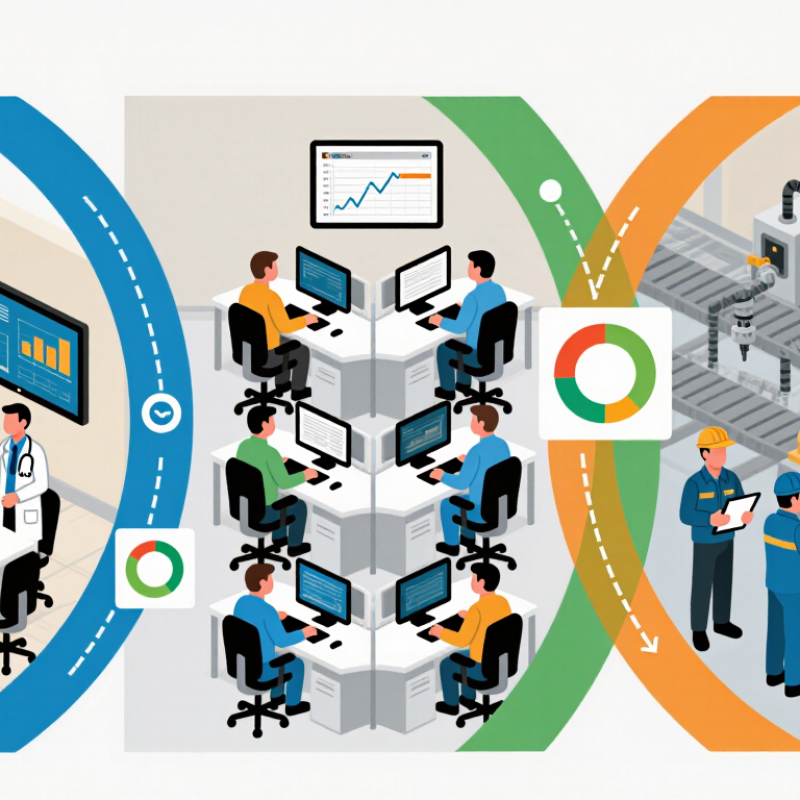
Global buyers trust case studies solutions because they reduce uncertainty before a serious purchase. A polished promise is easy to publish. A documented result is harder to dismiss. Buyers want evidence from situations that resemble their own: a regional hospital, a software team with 200 users, or a factory facing late deliveries.

The data supports this behavior. Nielsen’s 2021 Global Trust in Advertising report found that 88% of respondents trusted recommendations from people they knew. In B2B markets, the 2024 Edelman-LinkedIn B2B Thought Leadership Impact Report found that 75% of decision-makers researched products they had not previously considered after viewing strong thought leadership. It also reported that 73% considered thought leadership more trustworthy than marketing materials and product sheets. Case studies can earn that trust when they show measurable outcomes, limitations, timelines, and the customer’s real operating conditions.

Robert Cialdini, a leading authority on persuasion, explained the principle clearly: “People see an action as more appropriate when others are doing it.” That insight helps explain why credible customer evidence influences global buyers. However, case studies are not magic. Weak stories hide costs, vague results, and inconvenient details. Buyers notice.

A reliable case study should name the challenge, explain the solution, and show verifiable change. For example, “processing time fell from six hours to two” is stronger than “efficiency improved.” Local context matters too. A solution proven in Germany may require different compliance, pricing, or support in Brazil. Trust grows through evidence, but only when the evidence remains specific, balanced, and open to scrutiny.
Why Do Global Buyers Trust Case Studies for Solutions?

What Case Studies Reveal About Global Buying Decisions

Global buyers use case studies to reduce uncertainty, not simply to admire success. The 2024 Edelman-LinkedIn B2B Thought Leadership Impact Report found that 73% of decision-makers trust thought leadership more than product materials. Case studies become stronger when they show evidence, context, and limitations.

Buying decisions are rarely based on one impressive result. The 2024 Gartner B2B Buying Report states that 77% of buyers found their latest purchase difficult or complex. They therefore examine implementation time, internal resources, regional conditions, and measurable outcomes. A credible case study should identify the customer’s starting point, decision criteria, project duration, and performance metrics. It should also explain what did not work. That detail feels human. It also improves reliability. Global readers may question results achieved in one market. They want comparable conditions, clear methods, and evidence that can be verified.

Tips: Include the customer’s industry, operating scale, location, and baseline metrics. Show figures before and after implementation. Explain assumptions behind percentages. Add a short customer quotation, but avoid exaggerated claims. A 2024 B2B content survey reported that buyers often consume several content formats before contacting sales, so connect the case study with technical guides, data sheets, or independent assessments. Do not hide the difficult parts. A delayed rollout or revised target can reveal more than a perfect outcome. That honesty may influence a cautious procurement team.


How Evidence Builds Trust Across International Markets

Why Do Global Buyers Trust Case Studies for Solutions?

How Evidence Builds Trust Across International Markets

Global buyers rarely trust confident claims without visible proof. A case study shows what happened, where, and under which conditions. That detail reduces uncertainty across languages, industries, and purchasing cultures. The 2024 B2B Thought Leadership Impact Report found that 73% of decision-makers consider thought leadership more trustworthy than product sheets and marketing materials. Evidence earns attention.

Strong case studies also reveal the working process. They identify the original problem, implementation steps, measurable results, and unexpected difficulties. The 2024 B2B Content Marketing Benchmarks report listed case studies and customer stories among the most widely used B2B formats, with 75% of marketers reporting their use. Numbers help, but context matters more. A 32% efficiency gain means little without a baseline, measurement period, and operating conditions. Be specific.

International readers also examine relevance. A logistics result from one region may not transfer to another. Local regulations, infrastructure, budgets, and buyer expectations can change the outcome. Honest limitations therefore strengthen credibility. A case study should mention what failed, what required adjustment, and which assumptions remain untested. That imperfection feels real. It also supports E-E-A-T by connecting first-hand experience with transparent methods, qualified interpretation, and verifiable evidence. Claims should include dates, data sources, and responsible reviewers. Without these details, even impressive results can look polished but fragile.

Why Real-World Results Reduce Perceived Solution Risks

Global buyers often trust case studies because they show what happened beyond a sales promise. Real-world results make an unfamiliar solution feel less risky. Readers can examine the original challenge, project setting, implementation steps, and measured outcomes.

A credible case study explains more than a success percentage. It identifies the evaluation period, starting conditions, performance indicators, and practical limitations. Clear evidence builds authority, especially when results come from documented records or independent checks. Experienced buyers also compare the customer’s resources, market, and operating environment with their own. Similar conditions create stronger confidence. Still, a polished story may hide difficult details. That weakness deserves attention. A solution that worked quickly elsewhere may require training, maintenance, or process changes in a different organization.

Tips: Ask what changed first. Request baseline figures. Check the measurement period. Look for failed attempts. Compare similar operating conditions. Ask who verified the results. Keep one doubt alive. It encourages better questions.

Reliable case studies also describe the work behind the outcome. They may show timelines, decision points, staff involvement, and unexpected adjustments. These details demonstrate practical expertise instead of theoretical claims. Buyers can then estimate adoption effort, financial exposure, and operational disruption more realistically. No case study removes every risk. It simply turns uncertainty into specific questions that teams can investigate before committing.

Which Case Study Elements Influence Professional Buyers

Professional buyers trust case studies when the evidence resembles their own decision. A 2024 Global B2B Thought Leadership Impact Report found that 73% of decision-makers considered thought leadership more trustworthy than marketing materials. Case studies earn similar confidence through specific proof, not polished adjectives.

The strongest opening states the buyer’s industry, company size, starting problem, and measurable baseline.

“Response time fell from 18 hours to 7” beats “service improved significantly.”

Include the implementation period and people involved. A named role is more useful than a vague “team.”

Evidence must also show how results were produced. Buyers want the method, workflow changes, adoption barriers, and resources required. A 2023 B2B Content Preferences Survey identified customer stories and case studies among the most influential formats during evaluation.

Yet influence weakens when every result looks perfect. Mentioning a delayed rollout or unresolved limitation can increase credibility. Include customer approval, measurement definitions, and a clear comparison period.

Charts should show units, dates, and sample size. Short quotations add experience, but they need context. A finance leader may ask who measured the savings. A technical buyer may question whether the result scales.

One recurring flaw deserves attention: teams celebrate percentage gains without showing the original denominator. That omission seems small, but it can change the interpretation. Professional buyers notice.

How Buyers Apply Case Study Insights to Their Own Needs

Global buyers rarely copy a case study line by line. They use it as a working model for their own risks, budgets, and timelines. The 2024 Demand Gen Report Content Preferences Survey lists case studies and customer stories among the most influential formats for B2B research. That influence grows when the evidence includes measurable outcomes, implementation details, and limitations.

Buyers compare the customer’s starting point with their own situation. A logistics manager may examine delivery volume, regional regulations, integration time, and staff training before trusting a claimed efficiency gain.

The 2024 Edelman-LinkedIn B2B Thought Leadership Impact Report found that 73% of decision-makers consider thought leadership more trustworthy than product-focused marketing.

Yet trust is not automatic. A polished story without baseline figures can create suspicion. A buyer may ask, “Would this result survive our constraints?” That question matters.

Tips: Read case studies like test records. Mark the original problem, resources used, timeline, metrics, and unresolved issues. Separate transferable methods from context-specific advantages. Check whether the numbers show percentage growth or actual results. Small details often reveal more than dramatic claims. For example, a three-week onboarding delay may expose a realistic implementation risk. Buyers should also request independent validation where possible. Not every comparison is fair, and some assumptions deserve another review. A useful case study informs judgment; it should not replace it.