


Contact our Global Team
In today's competitive market, finding effective retail solutions is crucial for business success. Retailers face unique challenges daily. Consumer preferences shift quickly, and digital trends emerge constantly. To thrive, businesses must embrace innovative strategies that enhance customer experiences.
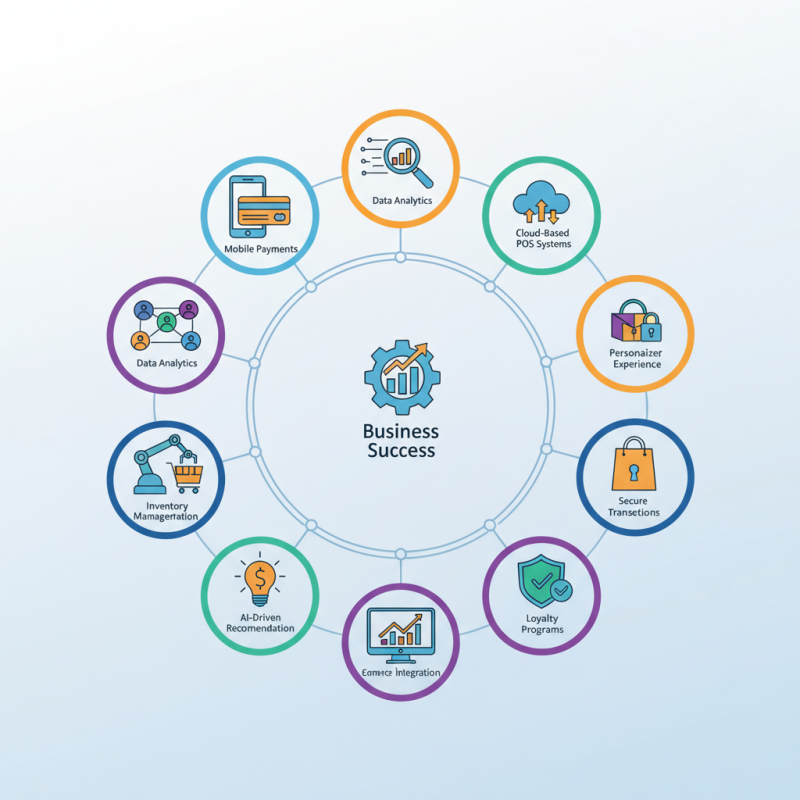
The right retail solutions can streamline operations and improve sales. They can help businesses adapt to changing demands. For instance, integrating mobile payment options makes transactions faster. Utilizing data analytics allows retailers to understand consumer behavior better. These tools are essential to stay ahead of competitors.
However, not every solution fits every business. It's important to assess specific needs and goals. Some retailers may find certain technologies overwhelming or not user-friendly. Continuous evaluation of implemented solutions is necessary to ensure effectiveness. Reflecting on what works and what doesn’t is vital to long-term success. Retail solutions should evolve as businesses grow and market conditions change.
Enhancing customer experience is crucial for retail success. According to a recent report by McKinsey, 70% of buying experiences are based on how customers feel they are being treated. This shows the importance of creating a positive atmosphere. Smartphones are a vital part of customer interactions. About 79% of consumers use their phones for shopping-related activities. This trend emphasizes the need for businesses to have a mobile-friendly presence.
Tips: Implementing a customer feedback system can be invaluable. Ask for opinions regularly. Positive feedback helps shape your strategy.
Moreover, personalized experiences can significantly boost customer loyalty. A study from Deloitte reveals that 36% of customers express interest in receiving personalized offers. Businesses can use data analytics to tailor promotions to individual customers' preferences. However, ensuring data privacy is essential. Missteps in handling customer information can lead to trust issues.
Tips: Consider using loyalty programs effectively. Offer rewards that are genuinely valuable to customers. Monitor the performance of these programs closely.
In today’s competitive retail landscape, innovative technology tools play a crucial role. These tools streamline operations and increase efficiency. Automation has emerged as a major player. Automating routine tasks saves time and reduces human error. Staff can then focus on more critical areas of the business.
Inventory management systems are another key tool. Keeping track of stock in real-time helps prevent overstock or stockouts. Retailers often struggle with inventory accuracy. A robust system provides clear data. This allows businesses to adjust their inventory based on demand patterns.
Additionally, customer relationship management (CRM) software enhances customer interactions. Effective communication builds stronger relationships. However, some retailers face challenges in integrating these systems. Proper training is necessary to maximize their potential. Small errors in setup can lead to significant issues down the line. It's essential for businesses to reflect on these potential pitfalls and ensure they invest time in the right tools.
Effective inventory management is vital for retail success. Accurate tracking helps prevent overstock and stockouts. Retailers should implement a systematic approach to monitor inventory levels. Regular audits can reveal discrepancies that need attention. Maintaining optimal stock levels is a balancing act. Too much inventory ties up capital, while too little can frustrate customers.
Utilizing technology can streamline this process. Simple inventory management software can automate tracking. Scanning barcodes reduces human error and saves time. Still, relying solely on technology can backfire. Human oversight is crucial. Staff must be trained to understand the system and its limitations. Communication between departments also matters. Disjointed efforts can lead to missed sales opportunities.
Additionally, regular analysis of sales trends can inform inventory decisions. This can help retailers to anticipate demand. Yet, not all trends are easy to interpret. Consumer behavior can be unpredictable. Adjustments require a willingness to adapt and learn from past mistakes. A flexible strategy can drive growth, leading to a more responsive inventory system.
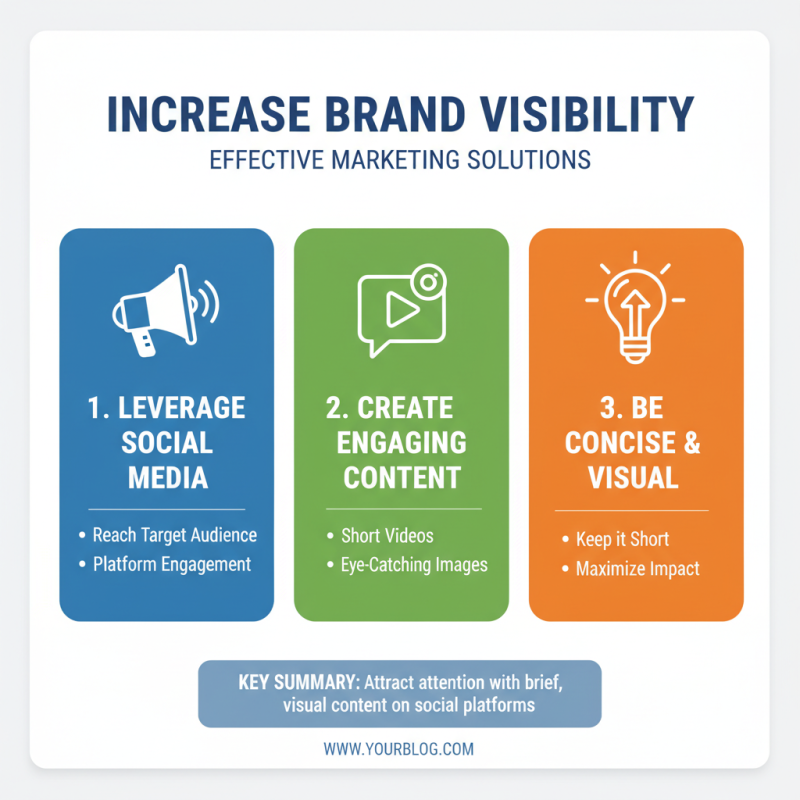
In today’s competitive market, increasing brand visibility is essential. Effective marketing solutions can make a difference. Consider using social media platforms to reach your target audience. Engaging content can draw attention. Short videos or eye-catching images are often more effective than lengthy posts.
Email marketing remains a powerful tool. It allows for personalized outreach, fostering a connection with potential customers. However, crafting the perfect email is not easy. It requires careful consideration of the subject line and content. A poorly written email may lead to quick unsubscribes. Test different approaches to understand what resonates best with your audience.
Collaborating with influencers can enhance your brand’s visibility. They have loyal followers who trust their recommendations. But choosing the right influencer is crucial. An ill-fitting partnership may feel disingenuous. Regularly assess the impact of these collaborations. Adjust your strategies based on what truly drives engagement and conversions.
In today's retail landscape, data-driven insights serve as a crucial tool to enhance business success. Analyzing customer behavior can unveil hidden patterns. This information allows businesses to tailor their strategies effectively. For instance, understanding peak shopping times can help optimize staff schedules. A well-timed promotion can significantly increase sales. However, relying solely on data can be risky. Sometimes, numbers don’t tell the whole story.
Moreover, technologies like predictive analytics can forecast trends. Yet, interpretations of these forecasts can vary. A miscalculation might lead to overstocking or missed opportunities. It's essential to test different approaches. Gathering feedback is equally as important. Engage with customers to refine strategies. Listening to their needs can reveal insights that data alone might miss.
While data is powerful, it's not infallible. Regularly assessing its effectiveness is vital. Being adaptable in response to both data and customer feedback can set a business apart. Striking the right balance is a continuous journey. Retailers should embrace both numbers and narratives for a holistic view.
| Solution | Feature | Benefit | Implementation Difficulty | Cost |
|---|---|---|---|---|
| Inventory Management System | Real-time tracking | Reduced stockouts | Medium | $200-$500/month |
| Customer Relationship Management (CRM) | Personalized marketing | Improved customer loyalty | High | $50-$300/user/month |
| E-commerce Platform | Multi-channel sales | Expanded reach | Medium | $29-$299/month |
| Point of Sale (POS) System | Sales tracking | Faster transactions | Low | $0-$150/month |
| Marketing Automation Tools | Email campaigns | Increased engagement | Medium | $10-$200/month |
| Supply Chain Management | Supply tracking | Cost reduction | High | $500-$2000/month |
| Data Analytics Tools | Sales insights | Informed decisions | Medium | $50-$400/month |
| Customer Feedback Tools | Surveys | Better service | Low | $10-$100/month |
| Loyalty Programs | Reward points | Increased retention | Medium | $20-$200/month |
| Chatbot Solutions | 24/7 support | Enhanced customer service | Medium | $30-$150/month |