


Contact our Global Team
In today's competitive landscape, choosing the right retail solutions is vital for business success. Retailers face numerous challenges, such as changing consumer preferences and technological advancements. These factors make it essential to adapt and innovate to stay relevant. The right solutions can drive efficiency and enhance customer experience.
Understanding which retail solutions can boost growth is crucial. Many options are available, each catering to different needs. Some focus on inventory management, while others emphasize customer engagement. Selecting the right mix can be daunting. Businesses need to reflect on their current strategies and areas for improvement.
Exploring various retail solutions can lead to new opportunities. However, not every solution fits every business model. Some may require adjustments or may not yield immediate results. A thoughtful approach can help identify the best avenues for growth. This journey involves continuous reflection and adaptation, ensuring that your retail strategy aligns with evolving market demands.

Retail solutions play a crucial role in driving business growth. They help streamline operations and improve customer experiences. In a competitive marketplace, adopting the right solutions can set you apart. For instance, an efficient inventory management system can reduce costs and minimize stockouts. This leads to higher customer satisfaction.
Understanding customer preferences through data analytics is another key aspect. Businesses can tailor their offerings based on insights gained from buying patterns. Personalized marketing campaigns can further enhance engagement. However, many retailers overlook the importance of regular updates and training for their teams. A well-equipped staff is essential for implementing these solutions effectively.
Challenges often arise in the integration of new technologies. Many businesses struggle to adapt, resulting in wasted resources. It is vital to regularly assess the effectiveness of applied solutions. Gathering feedback and making adjustments can optimize performance. A proactive approach not only boosts growth but also fosters a culture of continual improvement.
| Solution | Description | Benefits | Estimated Cost |
|---|---|---|---|
| Inventory Management System | Tracks inventory levels, orders, sales, and deliveries. | Improves accuracy and reduces stockouts. | $100 - $1,000/month |
| Point of Sale (POS) System | Handles sales transactions and customer interactions. | Speeds up checkout processes. | $50 - $500/month |
| Customer Relationship Management (CRM) | Manages company interactions with current and potential customers. | Enhances customer satisfaction and loyalty. | $30 - $300/month |
| E-commerce Platform | Allows businesses to sell products online. | Expands market reach beyond local customers. | $20 - $500/month |
| Mobile Payment Solutions | Enables payments via mobile devices. | Increases transaction speed and convenience. | $0 - $30/month + transaction fees |
| Supply Chain Management | Oversees all aspects of supply chain flow. | Reduces costs and improves efficiency. | $200 - $2,000/month |
| Marketing Automation Tools | Automates marketing tasks and workflows. | Improves marketing efficiency and effectiveness. | $10 - $1,000/month |
| Business Intelligence Software | Analyzes business data for insights. | Supports data-driven decision making. | $50 - $500/month |
| Omnichannel Retail Solutions | Integrates different sales channels. | Provides a seamless customer experience. | $150 - $1,500/month |
| Loyalty Programs | Rewards customers for repeat purchases. | Increases customer retention and sales. | Variable based on features |
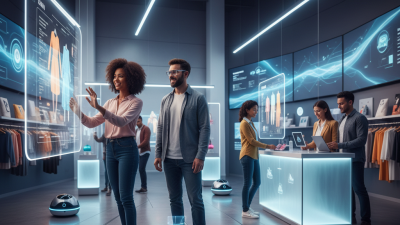
In the rapidly evolving retail landscape, technology is a key driver of innovation. Recent reports indicate that 66% of retailers are investing in digital transformation, making it essential for businesses to adapt. Technologies like AI and IoT enhance customer experiences and streamline operations. For instance, AI-driven inventory management can reduce stock shortages by up to 30%.
However, not every technology yields immediate benefits. Some retailers face challenges in integrating new systems. According to a McKinsey report, 70% of digital transformations fail to achieve their goals. Businesses must remain aware of such risks and analyze their specific needs before investing.
Tip: Regularly assess your technology stack. Choose solutions that align with your long-term vision.
Additionally, data analytics plays a crucial role. Retailers leveraging big data can improve personalization, resulting in a 20% increase in sales. But, it’s important to respect customer privacy and navigate data regulations.
Tip: Establish clear data governance practices. Transparency builds customer trust.
Investing in technology can drive growth, but a thoughtful approach is necessary. Stay informed and remain adaptable in this dynamic retail environment.
In the fast-paced retail landscape, enhancing the customer experience is crucial for growth. Research highlights that 86% of buyers are willing to pay more for better customer service. Retailers can leverage advanced solutions to create seamless interactions. These tools not only streamline processes but also provide personalized experiences that keep customers coming back.
Implementing chatbots has shown a remarkable increase in customer satisfaction. A study revealed that businesses using chatbots saw a 30% increase in engagement. These AI-driven tools answer customer inquiries instantly, reducing wait times. However, a balance is needed; over-reliance on automation may make interactions feel impersonal.
Tip: Regularly review customer feedback. It helps identify gaps in service and enhances the overall experience. Another effective approach is utilizing data analytics. By analyzing purchasing patterns, retailers can tailor promotions, making them more relevant. Despite technological advancements, human oversight remains essential. Training staff to engage meaningfully with customers can bridge the gap between automation and personal touch. It’s a continuous journey of improvement.
Implementing retail solutions effectively requires a strategic approach grounded in data. Research indicates that 74% of retailers find customer experience enhancement to be their top priority. It's essential to understand your customer’s journey to optimize this experience. Mapping out touchpoints can highlight opportunities for improvement.
Digital transformation is another crucial element. According to a report by the National Retail Federation, 72% of consumers prefer shopping with brands that offer an omnichannel experience. Integrating your online and offline channels can create a seamless shopping experience. However, many retailers struggle with synchronization, leading to inconsistent messaging and inventory challenges.
Data analytics play a significant role here. Retailers leveraging data can personalize marketing strategies and improve inventory management. However, 60% of businesses report difficulties in interpreting data effectively. Investing in training and solutions that enhance data literacy can mitigate these challenges. This ensures your team can make informed decisions based on actionable insights.
In the competitive retail landscape, measuring the impact of retail solutions on business performance is crucial. According to a recent report by McKinsey, over 70% of retailers who adopted advanced analytics saw a significant uplift in sales. This showcases the undeniable connection between innovative solutions and business growth. Retailers integrating customer relationship management (CRM) systems reported a 40% increase in customer retention rates. Such analytics enable firms to tailor their approaches based on accurate consumer data.
Investing in technology can enhance operational efficiency. A study from Accenture found that automating inventory management led to a 20% reduction in operational costs. This highlights the potential for solutions to streamline processes. However, some retailers struggle to adapt, often facing challenges in technology integration. It raises important questions about readiness and strategy alignment.
Tip: Regularly assess the effectiveness of your retail solutions through key performance indicators (KPIs). Set clear benchmarks to measure progress over time. Small adjustments can lead to substantial improvements in outcomes.
Another tip: Solicit feedback from employees and customers. These insights can reveal gaps and opportunities in your current solutions. Engaging with your team can foster a culture of innovation.