



Come visit us at NRF2023 Jacob K. Javits Convention Center | New York City

Read More

Top 10 Innovative Healthcare Solutions for a Healthier Tomorrow?

The landscape of healthcare is rapidly evolving. Innovative healthcare solutions are emerging to address urgent health challenges. According to a recent report by the World Health Organization, nearly 2 billion people still lack access to essential health services. This gap emphasizes the critical need for effective healthcare solutions.

Telemedicine, AI-driven diagnostics, and wearable health tech are leading the way. A study from McKinsey shows that telehealth usage surged by 38 times during the pandemic, revealing its potential. Yet, despite this growth, disparities remain. Many rural areas still struggle with internet access, limiting telehealth's reach.

As we explore the top 10 innovative healthcare solutions, it's essential to acknowledge ongoing barriers. While technology advances, healthcare equity must also be prioritized. Addressing these challenges will shape a healthier tomorrow for everyone.

Top 10 Innovative Healthcare Solutions for a Healthier Tomorrow?

Emerging Technologies in Telemedicine and Virtual Care Services

Telemedicine is transforming healthcare rapidly. In 2020, 46% of patients used virtual care to consult with doctors. This surge highlights how technology is reshaping health services. Remote consultations provide quick access to care, reducing waiting times significantly. It also supports those in rural areas, giving them a chance to connect with specialists.

However, the surge in virtual services raises questions. Not all patients have reliable internet access or digital literacy. According to a report, around 20% of Americans struggle with technology. This gap can lead to disparities in care. Healthcare providers must find solutions to engage these individuals better.

Emerging technologies, like AI chatbots, assist in triaging health concerns. They offer patients a chance to receive initial guidance before seeing a doctor. Though innovative, many patients feel hesitant to trust AI with their health inquiries. Balancing technology and human interaction becomes critical. The challenge lies in ensuring that all patients feel comfortable and supported in their healthcare journeys.
Revolutionizing Patient Monitoring with Wearable Health Devices

Wearable health devices are transforming patient monitoring. These gadgets track vital signs in real-time. A recent report indicates that the global wearable health technology market is expected to reach $60 billion by 2023. This surge reflects growing consumer interest in proactive health management.

Many wearables are designed to alert users about irregularities. Sensors capture heart rates, sleep patterns, and even blood oxygen levels. Studies show that early detection of health issues can reduce hospital admissions by up to 40%. However, challenges remain. The accuracy of these devices can vary, leading to potential overreactions by users.

Privacy concerns also arise with the data collected. Users must trust that their health information remains secure. Despite these concerns, the potential benefits of wearable health devices are vast. They empower individuals to take charge of their health and enhance communication with healthcare providers. The evolution of this technology is still a work in progress.

Top 10 Innovative Healthcare Solutions for a Healthier Tomorrow

This chart displays the adoption rates of various innovative healthcare solutions aimed at improving patient monitoring and overall health management. The data reflects the growing acceptance of technology in healthcare, highlighting the significant role of wearable devices and telehealth solutions in fostering a healthier tomorrow.

AI and Data Analytics in Predictive Healthcare Management

Top 10 Innovative Healthcare Solutions for a Healthier Tomorrow?

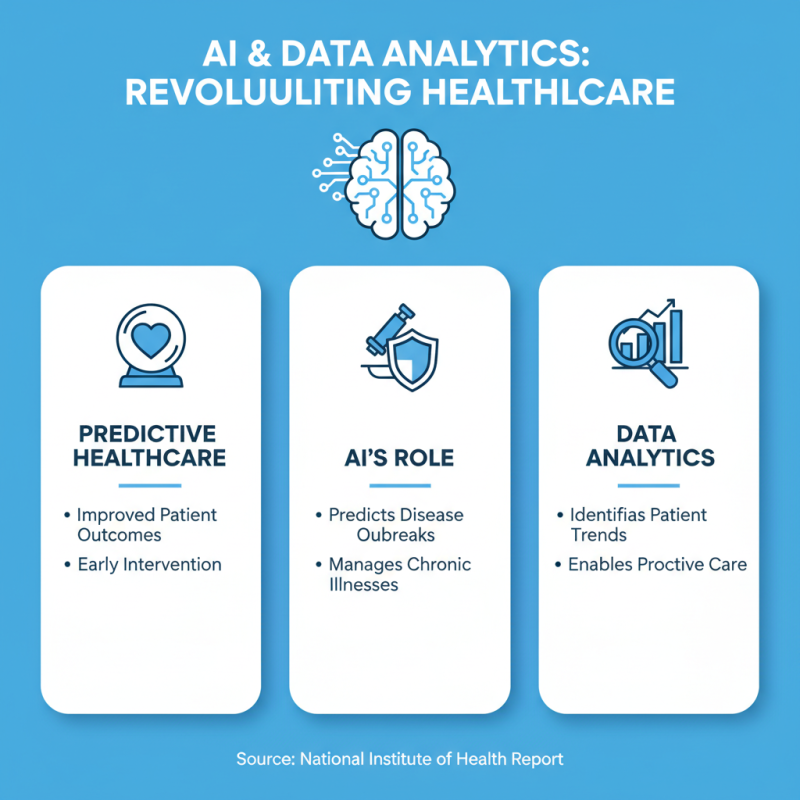
Artificial intelligence and data analytics are revolutionizing predictive healthcare management. According to a report by the National Institute of Health, AI can improve patient outcomes by predicting disease outbreaks and managing chronic illnesses effectively. Analytics tools can identify trends in patient data, allowing healthcare providers to intervene early.

Data-driven insights help streamline processes, but reliance on technology can introduce challenges. For instance, algorithms may inherit biases from historical data, leading to disparities in patient treatment. A study by the Journal of Health Analytics revealed that 30% of predictive models exhibited significant bias, highlighting the need for careful evaluation.

Moreover, real-time data collection presents privacy concerns. Patients must trust that their information is secure. Healthcare organizations face the dual challenge of harnessing data’s potential while ensuring ethical standards. Balancing innovation with privacy and fairness is crucial for a truly healthier tomorrow.

Advancements in Personalized Medicine and Genomic Research

Advancements in personalized medicine and genomic research are rapidly changing healthcare. These innovations allow treatments to be tailored to individual patients. In doing so, healthcare becomes more effective. For example, understanding a person’s genetic makeup can predict their response to specific medications. This can prevent adverse effects and improve outcomes.

However, the path is not without challenges. Access to genomic testing remains limited for many. Ethical concerns around privacy and data security are significant. Many patients worry about how their genetic information is used. Additionally, the technology is evolving faster than regulations can keep up. The medical community must consider these factors seriously.

Genomic research also raises questions about equity. Not everyone has the same access to these advancements. Disparities in healthcare can lead to unequal benefits. As we innovate, it's crucial to reflect on who benefits most. A balanced approach is necessary to ensure that all patients can experience the potential of personalized medicine.

Integrating Mental Health Solutions into Primary Care Systems

Integrating mental health solutions into primary care systems is essential for a holistic approach to healthcare. A report from the World Health Organization indicates that nearly 1 in 4 individuals will experience a mental health issue at some point. This staggering statistic highlights the urgent need to address mental health alongside physical health.

Mental health services in primary care can reduce stigma and enhance accessibility. A study found that patients prefer to discuss mental health issues with their primary care providers. However, effective integration remains a challenge. Many primary care practitioners feel unprepared to address mental health issues adequately. Training is often limited, leading to missed opportunities for timely interventions.

Furthermore, a lack of resources can hinder the implementation of integrated care models. Only 10% of primary care facilities have sufficient mental health support. This gap presents a significant barrier to providing comprehensive care. Without systemic changes and adequate funding, the integration of mental health services may fall short of its potential. Healthcare systems must reflect on these challenges to achieve a healthier future.

Top 10 Innovative Healthcare Solutions for a Healthier Tomorrow

Solution Description Integration Level Target Audience Expected Outcomes
Telepsychiatry Remote mental health services through video conferencing. High General public, especially rural areas Increased access to mental health care
Integrated Care Models Combining mental health and physical health care services. Medium Patients with chronic illnesses Holistic treatment approach
Mental Health Apps Mobile applications for mental health management. Low Tech-savvy individuals Self-management of mental health issues
Community Support Programs Local groups for mental health support. Medium At-risk populations Decreased stigma and increased support
Workplace Mental Health Programs Mental health resources provided by employers. High Employees Improved employee well-being and productivity
AI in Mental Health Screening Using AI to identify mental health issues. Medium Healthcare providers Timely identification and intervention
Mindfulness and Meditation Programs Programs promoting mindfulness practices. Low General public Reduction in anxiety and stress
Crisis Hotlines 24/7 support for individuals in mental health crises. High Anyone in need Immediate assistance and guidance
Behavioral Health Training for Primary Care Training primary care providers in mental health care. High Healthcare professionals Enhanced care for patients with concurrent conditions