



Contact our Global Team
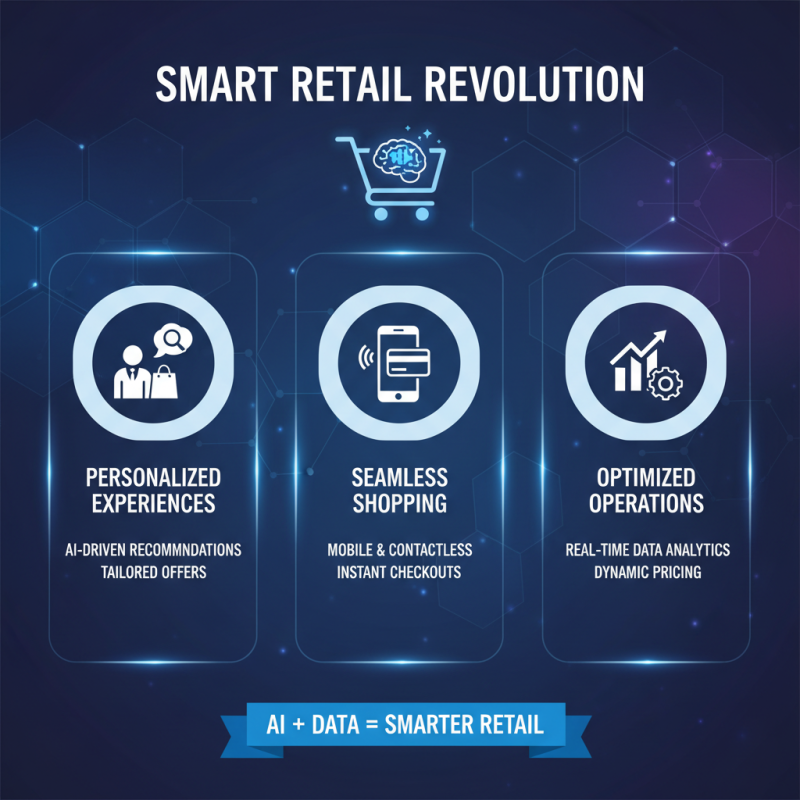
In 2023, the landscape of consumerism is undergoing a significant transformation, largely driven by the advent of smart retail solutions. These innovative technologies are redefining the shopping experience by providing personalized, efficient, and engaging interactions between consumers and retailers. With the integration of artificial intelligence, Internet of Things (IoT) devices, and data analytics, smart retail solutions are not only enhancing inventory management but also tailoring marketing strategies to meet the evolving preferences of customers.
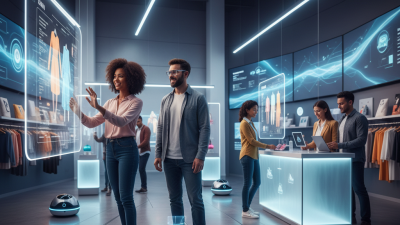
As shoppers seek more convenience and personalized services, smart retail solutions have emerged as a vital tool for retailers aiming to stay competitive in a rapidly changing market. From smart mirrors that offer virtual try-ons to mobile apps that facilitate seamless checkout experiences, these advancements are creating a more intuitive and enjoyable shopping journey. Furthermore, they enable retailers to gather invaluable insights about consumer behavior, allowing for more informed decision-making and targeted promotions that resonate with individual shoppers.
Ultimately, the rise of smart retail solutions is more than a trend; it represents a fundamental shift in how retailers connect with their customers. By leveraging technology to enhance the shopping experience, retailers can not only fulfill the immediate needs of consumers but also foster long-term loyalty and engagement. As we delve deeper into this topic, it becomes clear that the future of retail is poised to be smart, efficient, and exceedingly personalized.
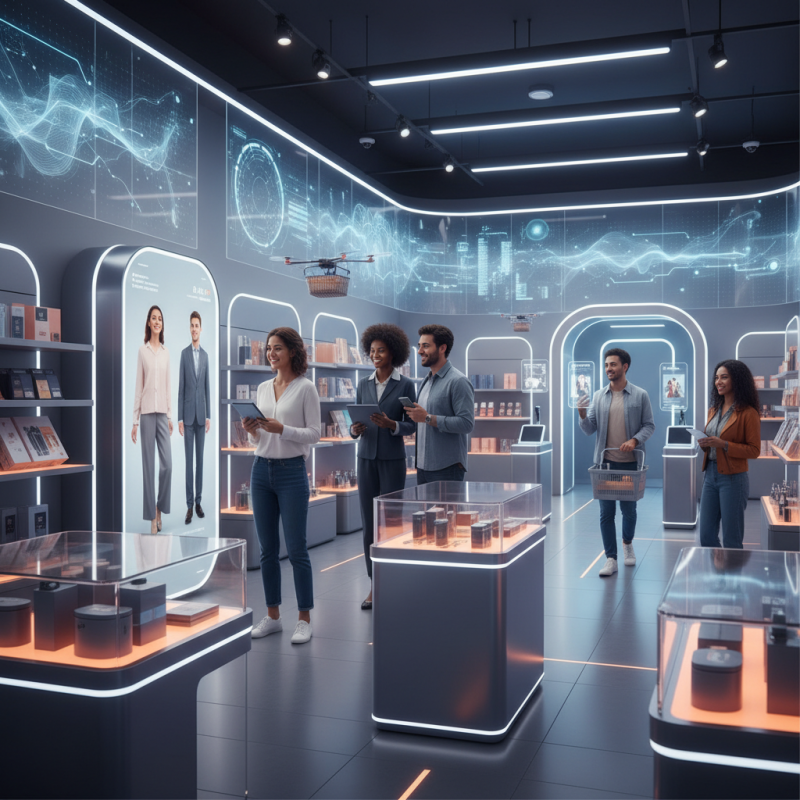
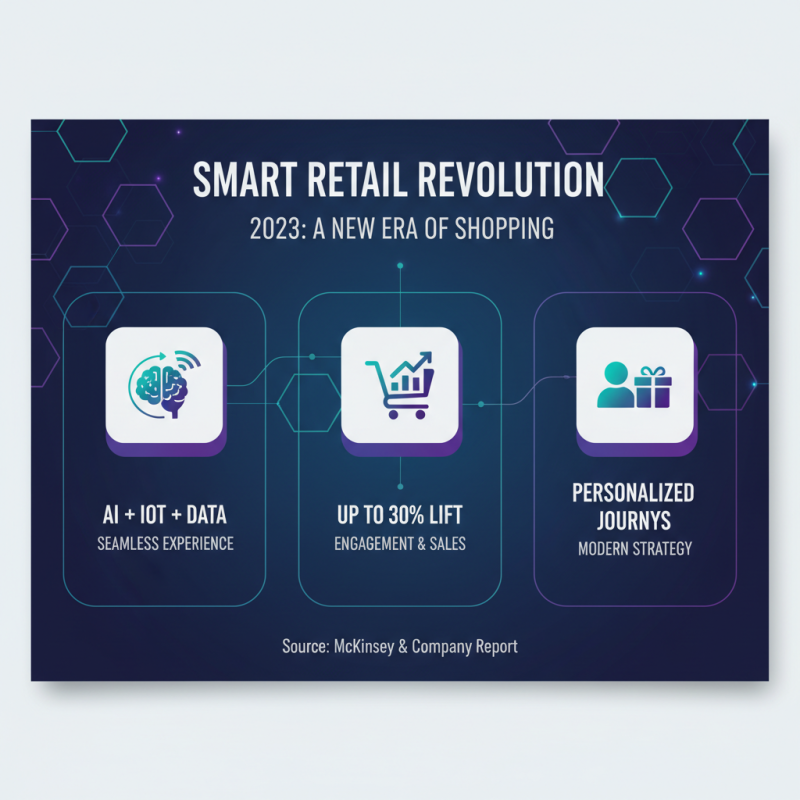
In 2023, the landscape of retail is undergoing a significant transformation driven by the emergence of smart retail solutions. These advanced technologies integrate artificial intelligence, the Internet of Things (IoT), and data analytics to create a seamless shopping experience for consumers. According to a recent report by McKinsey & Company, businesses that adopt smart retail solutions have seen up to a 30% increase in customer engagement and sales conversion rates. This shift highlights the importance of personalized shopping experiences, which are becoming a cornerstone of modern retail strategies.
With the integration of smart retail solutions, retailers can gather and analyze vast amounts of data to better understand customer preferences and behaviors. For instance, implementing smart shelves equipped with sensors can provide real-time inventory data, ensuring that popular items are always in stock. Moreover, machine learning algorithms can assist retailers in predicting upcoming trends, allowing for timely inventory adjustments. A study conducted by Forrester Research reveals that retailers leveraging AI-driven analytics can improve their operational efficiency by nearly 20%.
**Tips for Retailers:** Focus on refining data collection processes to capture consumer insights more accurately. Invest in training staff to efficiently use these smart systems to enhance customer interactions. Additionally, consider collaborating with tech providers to tailor solutions that fit specific business needs, ultimately leading to a more enriched shopping experience for both customers and retailers alike.
The retail landscape is experiencing unprecedented transformation in 2023, driven by key technologies that enhance the shopping experience through smart retail solutions. One of the most significant innovations is the integration of artificial intelligence (AI) and machine learning. These technologies enable retailers to analyze consumer behavior in real time, allowing for highly personalized shopping experiences. By employing predictive analytics, stores can tailor product recommendations and promotions based on individual preferences, leading to increased customer satisfaction and loyalty.
Another key driver of smart retail innovations is the Internet of Things (IoT). Through connected devices, retailers can streamline inventory management and optimize supply chain operations. Smart shelves equipped with sensors can monitor stock levels, alerting staff when items need restocking, thus ensuring that customers find what they need without delay. Additionally, IoT technology can create immersive in-store experiences, blending the physical and digital environments to engage consumers effectively.
Tips for retailers looking to embrace smart retail solutions include investing in data analytics expertise to make sense of consumer insights and ensuring that all technological implementations prioritize user-friendly experiences. Furthermore, fostering a culture of innovation within the organization can help staff adapt to and leverage these technologies effectively, enhancing the overall shopping experience for customers.
In 2023, smart retail solutions have transformed the shopping experience by prioritizing personalized customer engagements. A recent survey by the National Retail Federation revealed that 79% of consumers are more likely to make a purchase when they receive personalized offers. This shift is driven by advanced data analytics and artificial intelligence, allowing retailers to curate shopping experiences tailored to individual preferences. By analyzing customer behavior and leveraging insights from past transactions, retailers can present relevant products and promotions that resonate with shoppers on a personal level.
Moreover, the integration of omnichannel experiences has further enhanced customer engagement. According to a report from McKinsey, retailers that effectively implement omnichannel strategies see a 30% increase in customer retention and engagement. In 2023, consumers expect seamless interactions across various platforms, whether online or in-store. Smart retail technologies enable stores to connect digital and physical experiences, facilitating personalized communications that are consistent and timely. This not only satisfies customers' desire for tailored experiences but also fosters brand loyalty, ultimately leading to increased sales and stronger customer relationships.
In 2023, the retail landscape is undergoing a significant transformation driven by advanced data analytics. With the ability to process and analyze vast amounts of consumer data, retailers can gain crucial insights into shopping behaviors and preferences. According to a report by McKinsey, retailers leveraging data analytics are expected to see a revenue increase of up to 10-20%, as they can tailor their offerings more precisely to meet consumer demands. This personalization not only enhances the shopping experience but also fosters customer loyalty by creating a more relevant and engaging interaction.
As retailers adopt smart retail solutions, the integration of data analytics into their operational framework allows for better inventory management and demand forecasting. For instance, research from Deloitte indicates that 60% of retailers using predictive analytics reported improved inventory turnover. This not only minimizes excess stock but also ensures that popular items are always available, thereby enhancing customer satisfaction. Additionally, data-driven consumer insights enable retailers to optimize marketing strategies, targeting specific customer segments with tailored promotions that yield higher conversion rates. Overall, data analytics is proving to be a pivotal element in revolutionizing the shopping experience, allowing retailers to innovate and adapt more swiftly to changing market dynamics.
The future of shopping is being profoundly influenced by the emergence of smart retail solutions. As consumer expectations evolve, retailers are increasingly leveraging advanced technologies to create personalized and seamless shopping experiences. One of the key trends shaping this landscape is the integration of artificial intelligence and machine learning. These technologies enable retailers to analyze vast amounts of customer data in real time, allowing them to offer tailored recommendations and dynamic pricing strategies that enhance customer satisfaction.
Another significant trend is the rise of omnichannel retailing, where customers can interact with brands across multiple platforms. Smart retail solutions facilitate this by enabling synchronization between online and offline channels, ensuring a cohesive shopping experience. For example, customers can browse products online, check their availability in physical stores, and enjoy hassle-free returns regardless of where they made their purchase. This seamless connectivity not only drives customer loyalty but also streamlines operations for retailers, allowing them to respond to market demands with agility and precision.