


Come visit us at NRF2023 Jacob K. Javits Convention Center | New York City

Read More

How to Implement Smart Retail Solutions for Enhanced Customer Experience?

In today's retail landscape, enhancing customer experience is crucial. The adoption of smart retail solutions has emerged as a key strategy for businesses seeking to innovate. Experts like Sarah Johnson, a prominent figure in the retail technology sector, emphasize that "smart retail solutions can transform the shopping journey into a personalized experience." This statement captures the essence of how technology can bridge the gap between customer expectations and retail offerings.

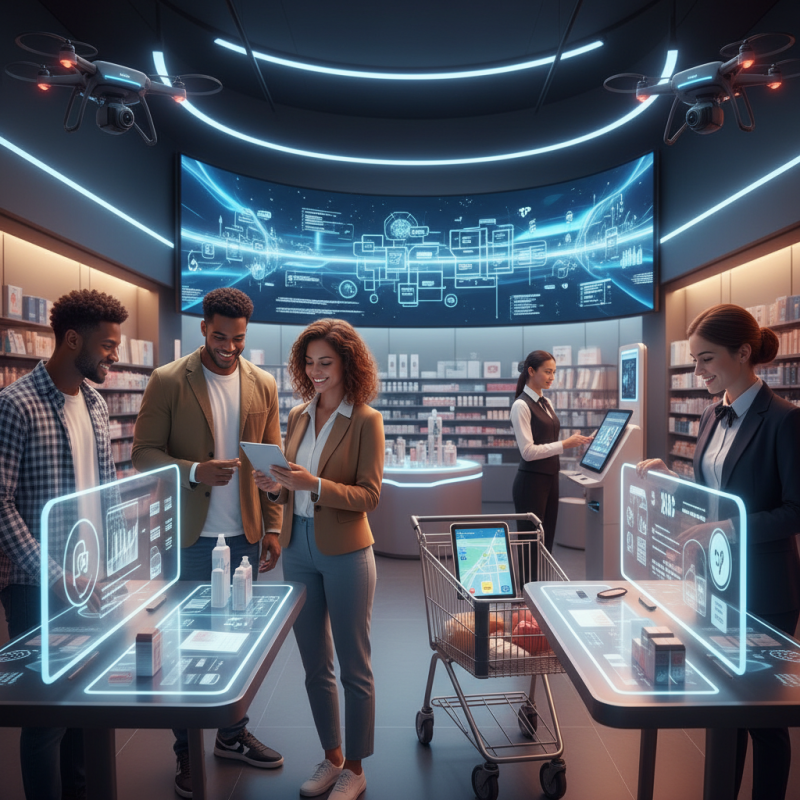
Implementing smart retail solutions involves integrating various technologies like IoT and AI. These tools help analyze customer behavior and preferences. For instance, smart shelves that monitor stock levels can prevent out-of-stock situations, improving customer satisfaction. However, the integration process is not without its challenges. Retailers must ensure data privacy and security while enhancing the customer journey.

As we delve into the specifics of implementing smart retail solutions, it’s essential to navigate potential pitfalls. Many retailers struggle with worker training and adapting to new technologies. Addressing these issues can significantly affect overall effectiveness. The journey toward smart retailing demands constant reflection and adaptation to truly benefit the end consumer.
How to Implement Smart Retail Solutions for Enhanced Customer Experience?

Understanding Smart Retail Solutions and Their Importance in Retail

How to Implement Smart Retail Solutions for Enhanced Customer Experience?

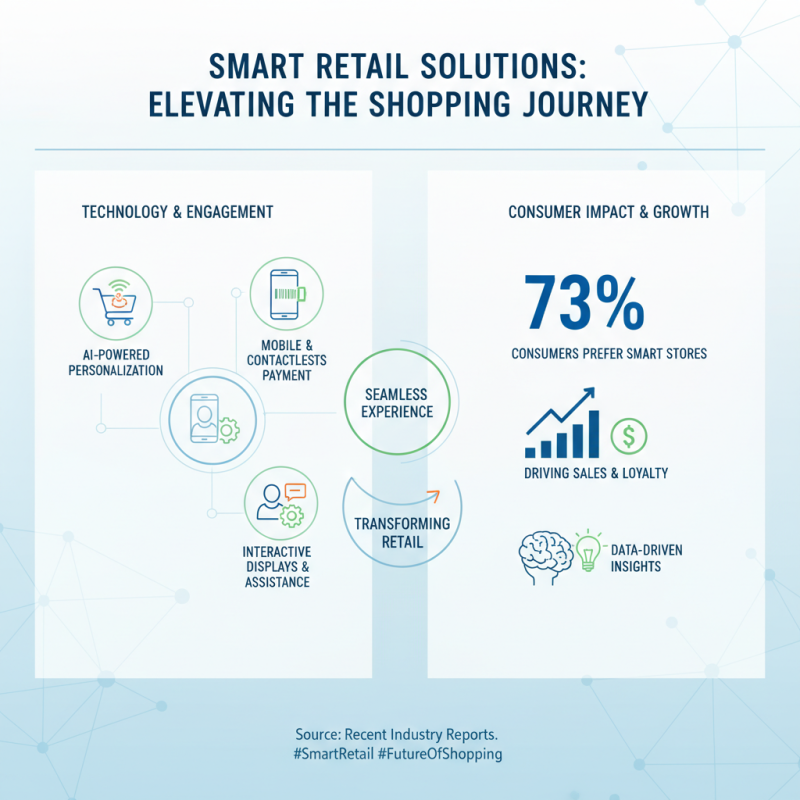
Smart retail solutions are transforming the shopping experience. They combine technology with customer engagement strategies to drive sales. Recent reports show that 73% of consumers prefer shopping at stores with smart technology. This makes understanding these solutions critical for retailers.

These technologies include AI, IoT devices, and personalized marketing. For example, smart mirrors help shoppers visualize products. Retailers that use such innovations report a 30% increase in customer engagement. However, not all implementations are smooth. Some shoppers feel overwhelmed by tech features. Others prefer a human touch. Balancing tech and personal interaction is essential.

Data indicates that 57% of retailers struggle with integrating new technologies effectively. They face challenges like employee training and system compatibility. These obstacles can lead to poor customer experiences. Identifying and addressing these issues is crucial for successful implementation. Retailers must learn, adapt, and refine their strategies to provide a seamless shopping journey.
Key Technologies Driving Smart Retail Transformations

In today’s retail landscape, smart technologies are crucial for enhancing customer experiences. These technologies include artificial intelligence, Internet of Things (IoT), and data analytics. They work together to create a seamless shopping journey. For instance, smart shelves equipped with sensors can keep track of inventory in real time. This can help retailers reduce stockouts and overstock situations. However, implementing such systems requires careful planning and training.

Tips for retailers: Start small. Identify one area where technology can improve efficiency. Gradually scale your efforts as you gain insights. Engage your employees in the process. They must feel comfortable using new technologies.

Data analytics offers another opportunity. It allows retailers to understand customer preferences better. Yet, it’s easy to get lost in overwhelming amounts of information. Focus on key metrics that matter to your business. Regularly review these metrics to adapt your strategies accordingly. In the end, smart retail solutions need continuous improvement. Emphasize user feedback and be ready to make adjustments.

Strategies for Collecting and Analyzing Customer Data Effectively

In the realm of smart retail, effective data collection is crucial. Retailers can use various methods to gather customer information. One approach involves implementing loyalty programs. These programs encourage customers to share data in exchange for rewards. Such systems can provide valuable insights into shopping habits.

Analyzing this data creates a clearer customer profile. However, it's essential to ensure privacy and security. Customers are hesitant to share information if they feel unsafe. Retailers should communicate how data is used. Transparency builds trust, and trust enhances the customer experience.

Another strategy involves using in-store technology. Digital kiosks and mobile apps can track customer behavior. They allow retailers to understand foot traffic patterns. While technology offers advantages, it can also be overwhelming. Retailers must ensure that tech solutions do not alienate customers. Balancing data collection with personal interaction is key to a successful retail strategy.

Smart Retail Solutions: Enhancing Customer Experience

This chart illustrates the effectiveness of various smart retail solutions in enhancing customer experience based on customer feedback and engagement metrics.

Integrating IoT Devices to Enhance In-Store Customer Engagement

The retail landscape is evolving. Integrating IoT devices into stores can significantly enhance customer engagement. A report from RetailBlend indicates that 72% of retailers are investing in IoT technologies. These devices create personalized shopping experiences that attract more customers.

Imagine sensors tracking inventory in real-time. These sensors can notify staff when products run low, ensuring shelves are always stocked. Interactive displays can provide tailored promotions based on shopper behavior. Such technologies can boost sales and improve customer satisfaction. However, implementation poses challenges. Data privacy and security must be a priority. Customers are more cautious than ever.

The use of smart carts equipped with IoT can offer a seamless checkout experience. A study by MarketWatch found that customers using smart carts often spend 15% more. Yet, not all customers adapt to technology easily. Some may feel overwhelmed or confused by the interface. Continuous training for staff and offering assistance is crucial. Balancing technology and personal touch remains vital in achieving true retail excellence.

Measuring the Impact of Smart Retail on Customer Experience and Sales

How to Implement Smart Retail Solutions for Enhanced Customer Experience?

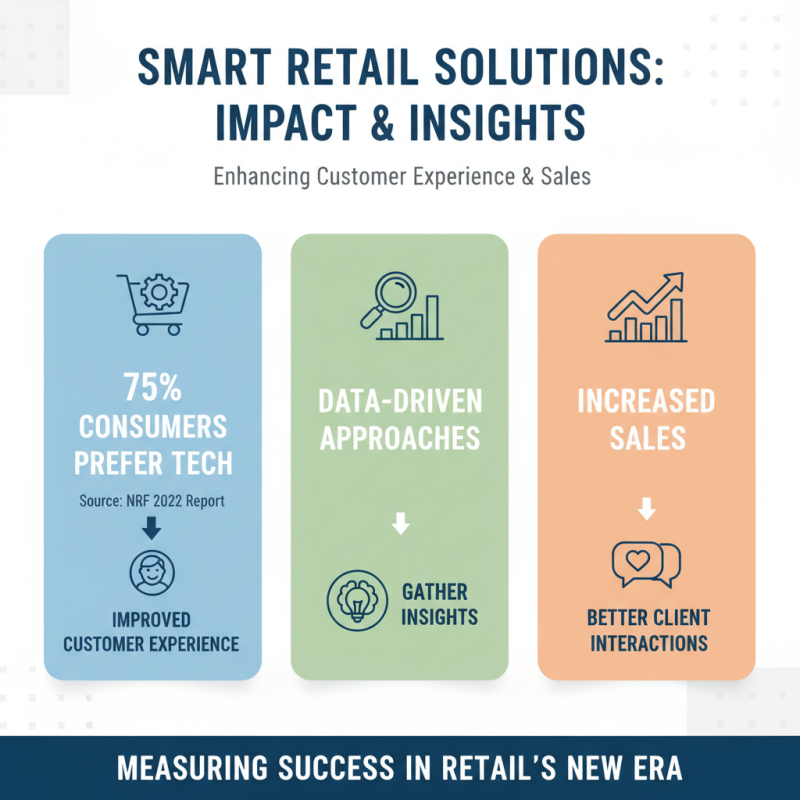
Measuring the impact of smart retail solutions is crucial for understanding customer experience and sales. According to a 2022 report by the National Retail Federation, 75% of consumers prefer businesses that leverage technology. As retailers implement data-driven approaches, they gather insights that help improve client interactions.

Sales performance sees tangible benefits when smart retail solutions are utilized. A study by McKinsey found that retailers embracing advanced technology increased sales by up to 30%. However, it is essential to remember that not all implementations yield immediate results. Some retailers face challenges, like increased costs and training requirements, which can lead to delayed ROI.

Moreover, while customer engagement improves, it is vital to monitor feedback continually. A survey indicated that 45% of customers feel overwhelmed by too many options. Balancing technology with customer experience could be tricky. Retailers must reflect on their strategies to ensure they genuinely enhance user satisfaction.