

Come visit us at NRF2023 Jacob K. Javits Convention Center | New York City

Read More

What are Custom Retail Solutions and How Can They Benefit You?

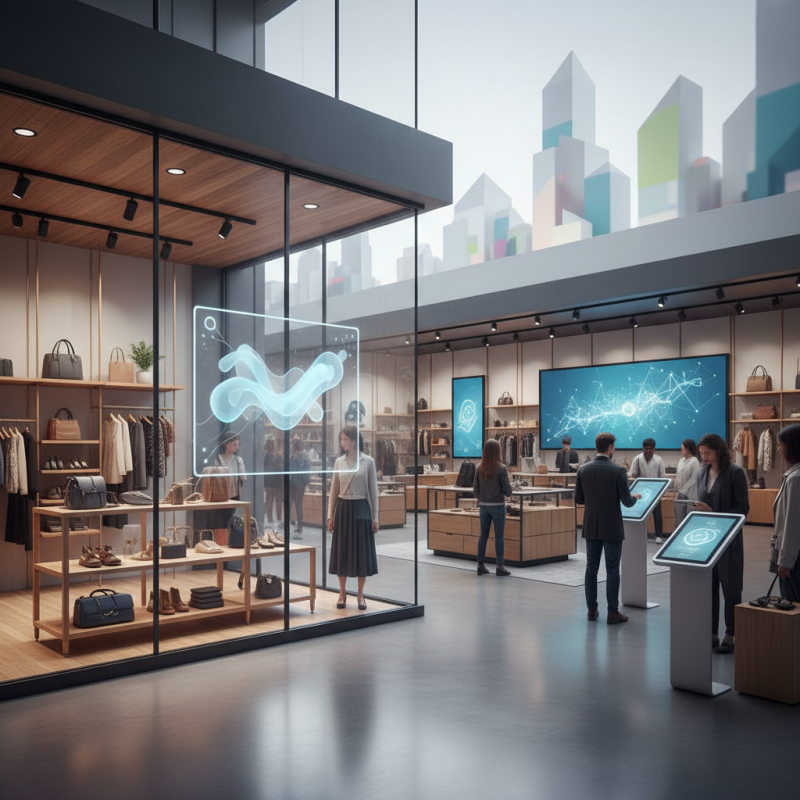
In today’s competitive market, businesses seek ways to stand out. Custom retail solutions present a unique opportunity for retailers. These tailored strategies can address specific challenges faced by businesses.

Imagine a small boutique trying to increase its online presence. With custom retail solutions, the boutique can enhance its website design, optimize inventory management, and personalize customer experiences. This approach not only attracts more customers but also builds loyalty.

However, not all custom solutions are effective for every business. It’s essential to carefully evaluate what works best for your unique needs. While some companies may see immediate growth, others might struggle with implementation. It raises questions about customization versus standardization in retail strategies.
What are Custom Retail Solutions and How Can They Benefit You?

Definition of Custom Retail Solutions

What are Custom Retail Solutions and How Can They Benefit You?

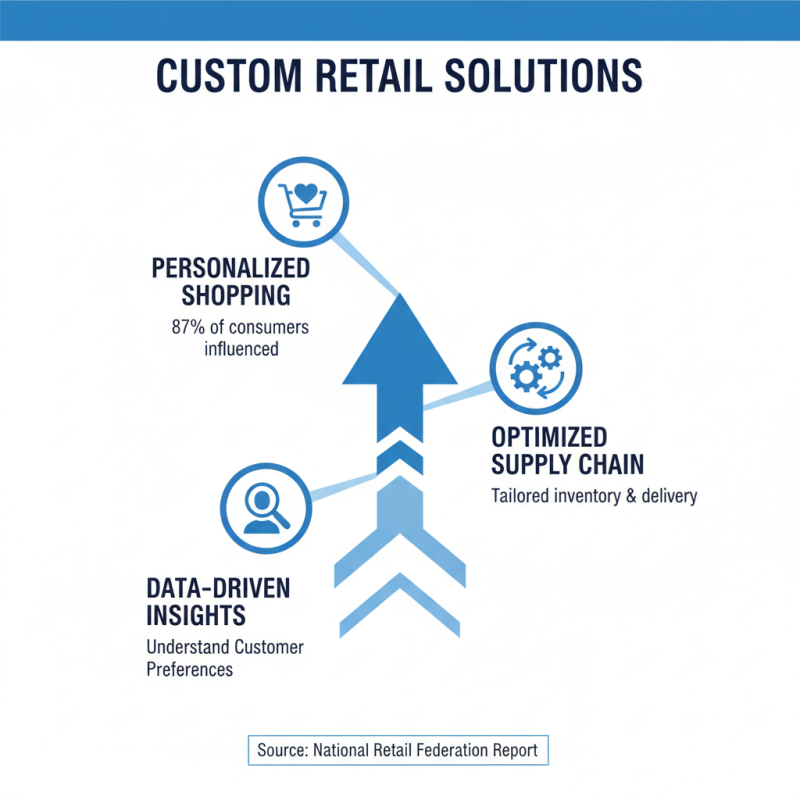
Custom retail solutions refer to tailored strategies and technologies designed to meet the specific needs of retailers. These solutions vary widely, from personalized shopping experiences to advanced supply chain management systems. According to a report by the National Retail Federation, 87% of consumers believe personalization influences their purchase decisions. This highlights the importance of understanding customer preferences in a competitive market.

The implementation of custom retail solutions can enhance customer engagement significantly. For instance, retailers using data analytics to track buying behaviors see a 20% increase in customer retention. Visual merchandising that reflects local tastes can drive foot traffic. However, businesses must consider the costs involved. Custom solutions might require significant upfront investment and ongoing maintenance.

Additionally, there can be challenges related to data privacy. Consumers are increasingly concerned about how their data is used. Retailers must strike a balance between personalization and privacy. Developing solutions without a transparent approach might lead to distrust. Ultimately, careful evaluation is needed to ensure these solutions deliver value without crossing ethical lines.
Key Features of Custom Retail Solutions

Custom retail solutions are tailored approaches that address the unique needs of businesses in the retail sector. One key feature is data-driven insights. According to a recent industry report, 70% of retail leaders say data analytics is crucial for decision-making. Leveraging this data helps businesses to understand customer behavior better. Custom solutions enable retailers to optimize inventory and personalize marketing efforts.

Another significant aspect is integration capability. Many custom retail solutions can seamlessly integrate with existing systems. This leads to a more efficient workflow. Businesses that employed integrated solutions reported a 20% increase in operational efficiency. However, the challenge lies in ensuring that all systems connect smoothly. Poor integration can lead to data silos and confusion.

When considering custom retail solutions, it’s essential to focus on scalability. Retailers must anticipate growth. A solution that works today might not suffice tomorrow. Always plan for the future. Involve key stakeholders in the decision-making process. This ensures the solution meets evolving needs. Regularly review performance metrics. Adjust strategies as needed to stay competitive.

Benefits of Implementing Custom Retail Solutions

Custom retail solutions offer significant advantages for businesses looking to enhance their operations. By tailoring systems to meet specific needs, retailers can streamline processes in ways that standard solutions may not allow. For instance, a custom inventory management system can track stock levels in real-time, eliminating excess or insufficient inventory. This real-time data can help businesses react quickly to market demands.

Incorporating personalized customer experiences is another key benefit. Retailers can design loyalty programs that resonate with their target audience. These programs can offer rewards based on individual purchasing behavior. Customers appreciate feeling valued and understood. However, businesses must be cautious. Not all personalized strategies will work as expected. Some may alienate customers if not executed thoughtfully. It's essential to regularly review these strategies and adjust as necessary. The impact of well-implemented custom solutions can be profound, but it requires continuous evaluation and adaptation.

What are Custom Retail Solutions and How Can They Benefit You?

Benefit Description Example
Increased Efficiency Automates various retail operations, reducing time spent on manual tasks. Inventory management systems that update stock levels in real-time.
Personalized Customer Experience Tailors shopping experiences based on customer preferences and behaviors. Recommendation engines suggesting products based on past purchases.
Scalability Easily adapts to changes in demand, supporting growth without significant overhauls. Cloud-based systems that expand capabilities as the business grows.
Enhanced Data Analysis Provides in-depth insights into sales trends and customer behavior. Dashboards showcasing sales performance metrics in real-time.
Cost Savings Reduces operational costs by streamlining processes and minimizing errors. Automated accounting and billing systems cut down on labor costs.

Examples of Successful Custom Retail Solutions

Custom retail solutions can transform the shopping experience. Many retailers have successfully implemented these solutions to meet specific customer needs. For instance, some stores use personalized loyalty programs. These programs track customer preferences. They offer tailored discounts, making shopping more enjoyable.

Another example is the use of augmented reality. Some retailers allow customers to try products virtually before buying. This approach has proven effective. It reduces returns and increases satisfaction. Visualizing how products fit can enhance decision-making for customers.

Tips: Always keep your target audience in mind. Gather data on their shopping habits. This information can guide your custom solutions. Assess feedback regularly. Not all solutions will work perfectly—be open to refining your approach.

Consider integrating user-friendly technology. A seamless checkout process can greatly enhance customer experience. However, too many tech features can confuse users. Strike a balance between innovation and simplicity. Focus on what adds real value to the shopping journey.

Comparison of Custom Retail Solutions and Traditional Retail Approaches

Future Trends in Custom Retail Solutions

The retail landscape is evolving rapidly. Custom retail solutions are at the forefront of this transformation. They bring tailored experiences to customers, making shopping more engaging. Data-driven insights shape these solutions. They help brands understand customer preferences. Yet, many still struggle to keep up with trends.

Future trends suggest a heavy reliance on technology. Augmented reality and artificial intelligence will play significant roles. Customers might try on clothes virtually. Personalized recommendations will become more accurate. However, a potential drawback is data privacy. Consumers may hesitate to share personal information.

Additionally, sustainable practices are gaining momentum. Eco-friendly products are no longer an afterthought. Shoppers are increasingly conscious of their choices. Retailers must adapt to meet these demands. Some businesses may fail to embrace these changes, risking their competitiveness. The challenge lies in balancing innovation with consumer trust. As we move forward, reflection on these trends is crucial for success.