What Are China Top Sale Solutions for Global Buyers?
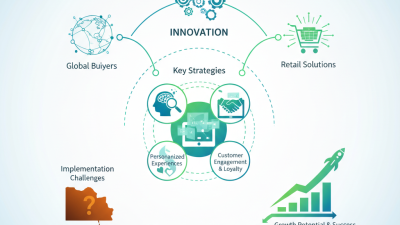
China’s export strength is no longer limited to low-cost manufacturing. It now combines sourcing, customization, logistics, digital platforms, and after-sales support. For global buyers, these integrated sale solutions can shorten procurement cycles and reduce operational friction.
China’s General Administration of Customs reported that cross-border e-commerce imports and exports reached approximately RMB 2.63 trillion in 2024, increasing 10.8% year on year. This growth reflects stronger digital purchasing infrastructure and broader access to verified suppliers. The World Trade Organization’s Global Trade Outlook and Statistics also shows that global merchandise trade is recovering, although regional risks and shipping disruptions remain significant. Buyers should therefore examine more than product prices. Supplier audits, production samples, compliance documents, delivery records, and payment safeguards deserve equal attention.
The strongest China sale solutions may include OEM and ODM production, small-batch sourcing, private labeling, quality inspection, warehouse consolidation, and multilingual customer service. A factory visit can reveal details that a polished catalog hides, such as material storage or packaging discipline. Still, no supplier wins every market. A low quotation may conceal certification gaps, unstable lead times, or expensive returns. Industry data provides direction, not certainty. Definitions also vary between trade reports, platforms, and customs records. This article evaluates China’s leading sale solutions through practical buyer criteria: product reliability, transparent pricing, scalable production, responsible compliance, and measurable delivery performance. The goal is not to praise China uncritically. It is to help global buyers compare opportunities carefully and make decisions that remain dependable after the first shipment.
What Defines China’s Top-Selling Solutions for Global Buyers?
What Defines China’s Top-Selling Solutions for Global Buyers?
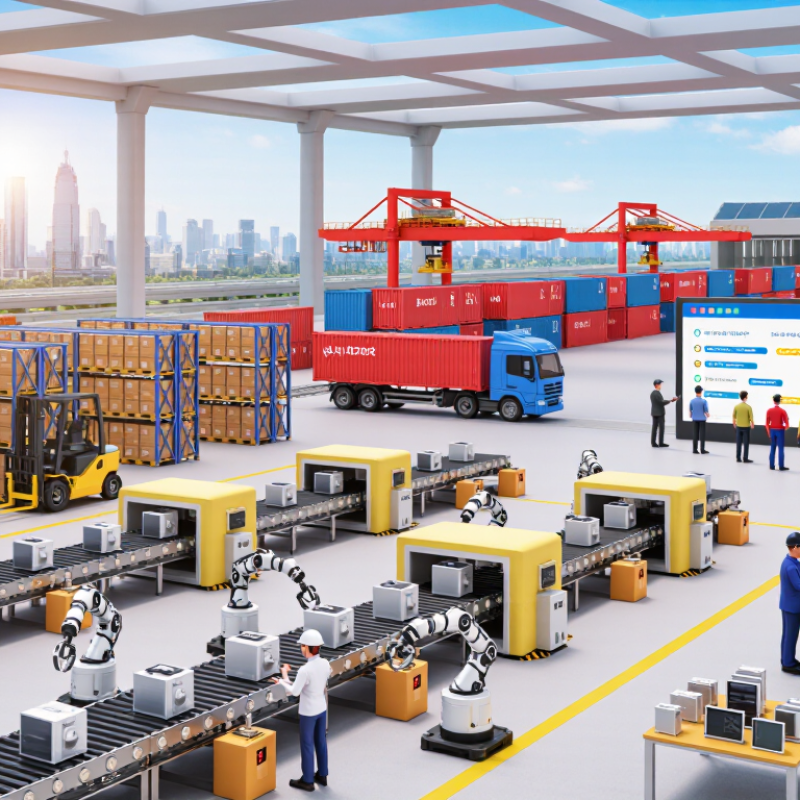
China’s top-selling solutions are not simply low-priced goods. They combine practical design, repeatable manufacturing, and flexible order support. China Customs reported exports of approximately US$3.58 trillion in 2024, showing the scale behind this supply ecosystem. Scale matters, but it does not guarantee buyer satisfaction.
Global buyers increasingly evaluate complete solutions rather than isolated products. They compare material consistency, production lead times, packaging efficiency, documentation, and responsive after-sales service. The International Trade Centre’s Trade Map data also shows China’s broad presence across machinery, electrical equipment, furniture, textiles, and household goods. This diversity helps suppliers adapt products for different climates, standards, and retail habits. Small details matter. A stronger carton, clearer manual, or replaceable component can reduce costly returns.
The WTO’s World Trade Statistical Review 2024 recorded China as the leading merchandise exporter in 2023, with about 14% of global exports. However, export volume alone is not proof of quality or reliability. Buyers should verify factory experience, testing records, production samples, and realistic delivery schedules. Claims about “best-selling” performance also need caution because public trade data may combine very different product categories. A solution may sell well yet fail in a specific market. That risk remains. Suppliers that openly discuss limitations often appear more credible than those promising everything.
Which Industries Drive China’s Most Popular Export Solutions?
China’s most popular export solutions are concentrated in industries with deep manufacturing networks. Machinery, electrical equipment, and electronics remain central categories for global buyers. WTO statistics show China supplied about 14% of world merchandise exports in 2023. UN Comtrade data also places electrical machinery among China’s largest export groups, reflecting strong demand for power components, industrial controls, and consumer devices.
Clean energy has become a major growth engine. The International Energy Agency reported that China produced more than 80% of global solar photovoltaic module capacity in 2023. The International Energy Agency’s Global EV Outlook 2024 found that China represented over 60% of global electric car sales in 2023. These figures explain the popularity of batteries, charging equipment, solar modules, and related factory systems. Buyers still need to verify certification, warranty terms, testing records, and after-sales support.
Textiles, furniture, household goods, and construction materials also serve large international markets. Their advantage is often practical: flexible order quantities, broad supplier choices, and mature logistics routes. Yet price alone can mislead. Product consistency may vary between batches, especially when specifications are vague. This is where many sourcing plans become weaker.
I may be underestimating medical and agricultural equipment, because public trade categories often group products too broadly. Buyers should compare supplier experience, inspection evidence, energy performance, and destination-market compliance before placing an order. Small details matter, such as packaging strength, spare-part access, and response times after delivery.
How China’s Leading Suppliers Develop and Scale Export Products?
China’s leading suppliers develop export products by studying real buyer problems, not by copying short-lived trends. In my sourcing experience, strong projects begin with interviews, sample reviews, and careful checks of target-market requirements. A supplier may adjust materials, dimensions, packaging, and instructions after only a few buyer tests. Small details matter. A handle must feel secure. A carton must survive humid storage and long-distance transport.
Product development usually moves through controlled stages. Engineers create a prototype, while quality teams test function, durability, labeling, and packaging. Suppliers also review safety standards, customs documents, and required certifications for each destination. Reliable factories keep test records and approve production samples before accepting large orders. They may use barcode checks, inspection photos, and batch reports to reduce avoidable mistakes. This process gives global buyers clearer evidence than attractive catalog images.
Scaling exports requires more than increasing production speed. Leading suppliers reserve material capacity, train additional workers, and standardize inspection points across workshops. They also prepare clearer order schedules when shipping costs or lead times change. I have seen promising products delayed because packaging was redesigned too late. That failure was preventable. Suppliers should test cartons with finished goods inside, not empty boxes. Buyers should request samples from the intended production line and confirm every specification in writing. Even careful systems need review, because customer feedback, regulations, and transport conditions continue to change.
What Standards Should Global Buyers Check Before Purchasing?
What Are China Top Sale Solutions for Global Buyers?
Global buyers should check standards before checking price. A low quote can hide weak testing, unclear materials, or expensive returns. ISO’s Survey 2023 recorded more than 1.2 million ISO 9001 certificates worldwide. This shows quality systems matter, but certification alone proves little. Ask for the certificate scope, issuing body, audit date, and factory address. Confirm that the certificate covers the actual product.
Product safety needs practical evidence. Check applicable ISO, IEC, ASTM, or regional requirements before ordering samples. Request test reports with model numbers, laboratory details, test dates, and measured results. Compare them with the production sample. The World Bank’s Logistics Performance Index 2023 assessed 139 economies and highlighted customs, tracking, and delivery reliability. These areas affect total purchasing risk. Shipping documents, carton marks, inspection records, and traceability codes should match each other. They often do not.
Tips: Build a short compliance checklist. Include material limits, electrical safety, labeling, packaging, and after-sales records. Use an independent pre-shipment inspection when the order is important. Keep photos of sealed cartons and random samples. A certificate may be genuine but outdated. I have seen buyers trust a polished PDF too quickly. That is a mistake worth examining. Check the source directly, record every revision, and leave room for independent laboratory testing before final payment.
How Can Buyers Compare Suppliers, Costs, Risks, and After-Sales Support?
China’s top-selling export solutions should be judged by total value, not catalogue price.
A supplier comparison needs product quality, production capacity, delivery records, and export experience. The WTO World Trade Statistical Review 2024 reported that global merchandise trade volume fell by 1.2% in 2023. Buyers therefore need tighter cost control and more reliable planning.
Request identical samples from at least three suppliers. Compare material grades, tolerances, packaging, minimum order quantities, and payment terms. Calculate landed cost, including freight, insurance, duties, inspection, and possible rework. A low quote can still be expensive.
The UNCTAD Review of Maritime Transport 2023 states that ships carry over 80% of world merchandise trade. Freight delays can quickly change a purchasing decision.
Risk checks should include factory licenses, ownership details, production photos, audit records, and reference shipments. Ask for defect-rate data, corrective-action procedures, and shipment tracking. The World Bank Logistics Performance Index 2023 evaluates customs, infrastructure, logistics competence, tracking, and timeliness. These categories provide a practical supplier scorecard.
After-sales support also needs measurable terms: response time, replacement rules, spare-parts availability, and remote troubleshooting. No scorecard is perfect. I would still verify claims through a small pilot order before scaling.