



Contact our Global Team
The retail landscape is undergoing a remarkable transformation, primarily driven by the integration of advanced technology. Among these innovations, AI retail solutions are leading the charge, revolutionizing how consumers shop and interact with brands. In 2023, the retail industry is increasingly leveraging artificial intelligence to enhance customer experiences, streamline operations, and drive sales growth. These solutions not only offer personalized recommendations but also optimize inventory management and improve overall efficiency.
As retailers embrace AI, the shopping experience is becoming more intuitive and engaging. From virtual assistants that guide customers through their purchases to predictive analytics that forecast trends, AI retail solutions are reshaping the way businesses operate in a highly competitive market. With the ability to analyze vast amounts of data in real time, retailers are now equipped to anticipate consumer needs and tailor their offerings accordingly.
This article explores the top 10 AI retail solutions that are making waves this year, highlighting how these innovations are not only enhancing the shopping experience but also positioning retailers for future success. By understanding these transformative technologies, retailers can stay ahead of the curve and meet the evolving demands of today’s consumers.
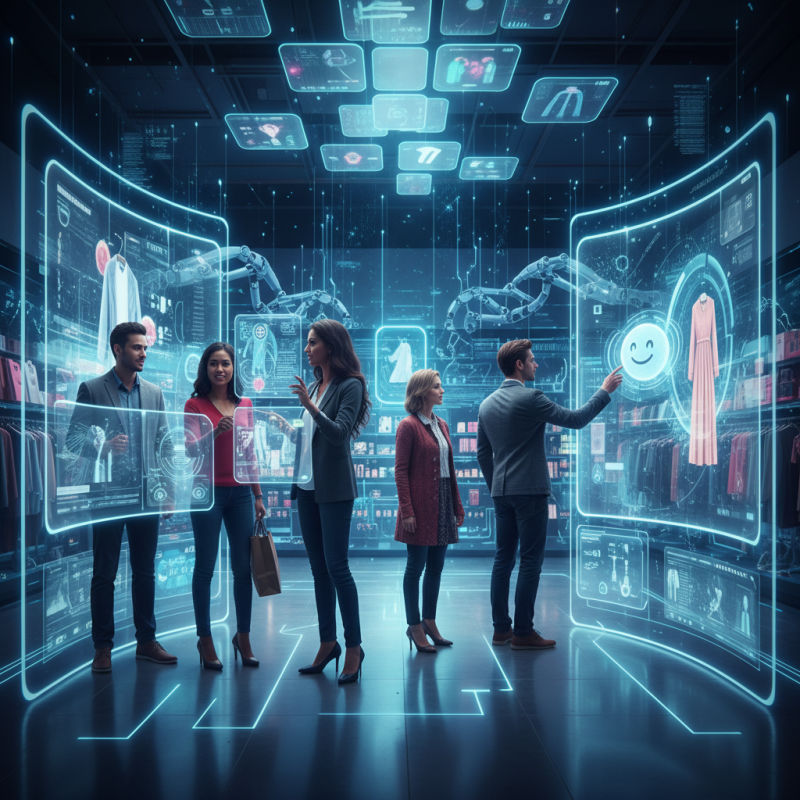
In 2023, the retail landscape has been profoundly influenced by the rapid ascent of artificial intelligence. AI technologies are reshaping how consumers interact with stores, both online and offline, leading to a more personalized and efficient shopping experience. Retailers are increasingly leveraging machine learning algorithms to analyze customer data, predicting buying behaviors and preferences. This not only enhances the accuracy of recommendations but also enables stores to tailor marketing strategies that resonate with individual shoppers, thereby fostering brand loyalty.
Moreover, AI is streamlining operational processes, making them more agile and responsive to market demands. Advanced inventory management systems powered by AI help retailers optimize stock levels, reducing waste and ensuring that popular items are always available. Virtual assistants and chatbots are becoming commonplace, providing real-time customer support and improving user engagement. As AI continues to evolve, its integration into retail operations is expected to drive significant changes, setting a foundation for future innovations that will further redefine the shopping experience.
The retail landscape is rapidly evolving, driven largely by advancements in artificial intelligence (AI) technologies. Among the key innovations reshaping the shopping experience are personalized recommendations, which use sophisticated algorithms to analyze consumer behavior and preferences. This data-driven approach not only enhances customer satisfaction but also increases conversion rates as shoppers are presented with products tailored to their individual tastes and needs.
Another significant AI technology influencing retail is chatbots and virtual assistants. These tools provide real-time customer service support, addressing inquiries and guiding customers through their shopping journey efficiently. By utilizing natural language processing and machine learning, these AI systems can learn from interactions, becoming more intuitive and effective over time. This enhances the overall shopping experience, reducing the burden on human staff while ensuring customers receive prompt assistance.
Moreover, predictive analytics is playing a pivotal role in inventory management and demand forecasting. Retailers can leverage AI to analyze sales trends and consumer patterns, allowing them to optimize stock levels and minimize waste. This not only improves operational efficiency but also ensures that customers find the products they want when they need them, further enhancing customer loyalty and satisfaction in an increasingly competitive market.
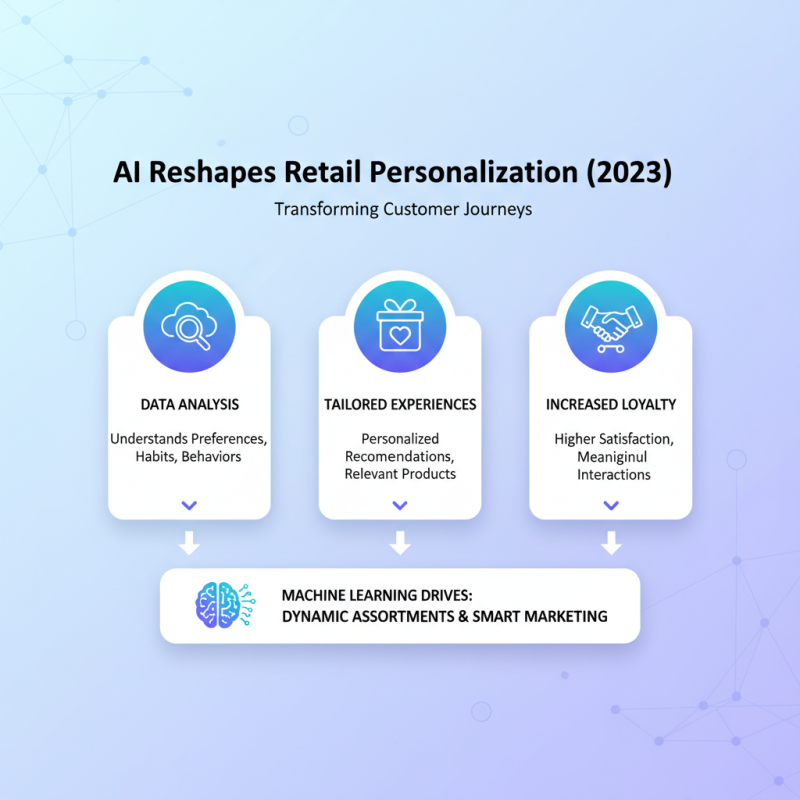
In 2023, the retail landscape has been significantly enhanced by AI-driven personalization, transforming the way customers interact with brands. With the ability to analyze vast amounts of consumer data, AI solutions are tailoring shopping experiences to individual preferences, habits, and behaviors. This level of personalization means that shoppers receive recommendations that resonate with their unique tastes, leading to increased satisfaction and loyalty. By leveraging machine learning algorithms, retailers can create dynamic product assortments and personalized marketing campaigns that speak directly to the needs of their customers, making each interaction feel relevant and meaningful.
Moreover, AI technologies are enabling retailers to engage customers through highly customized experiences, both online and in-store. Virtual shopping assistants, for example, can offer real-time suggestions based on previous purchases or browsing history, effectively guiding consumers through the shopping journey. Additionally, in physical stores, AI-powered systems can analyze foot traffic and customer behavior, allowing retailers to optimize store layouts and inventory selection to reflect the preferences of their clientele. This seamless integration of AI not only enhances the shopping experience but also empowers retailers to build deeper connections with their customers, ultimately fostering a more personalized and enjoyable retail environment.
In 2023, AI solutions are revolutionizing retail logistics, particularly in inventory management and supply chain optimization. According to a recent report by McKinsey, businesses that leverage AI in supply chain management can reduce operational costs by up to 20% and improve inventory turnover by 30%. This transformation is largely driven by advanced algorithms that analyze customer demand patterns, which help retailers maintain optimal stock levels and avoid overstock situations.
Moreover, AI-powered inventory management systems use real-time data to predict trends and automate replenishment processes. These systems not only mitigate human error but also enhance forecasting accuracy by as much as 50%, according to a study by Gartner. Retailers can thus respond more swiftly to market changes, ensuring that popular products are always available and reducing the risk of lost sales due to stockouts.
Tips: To maximize the benefits of AI in inventory management, retailers should invest in training their staff on these technologies. Additionally, integrating AI with existing ERP systems can streamline operations further. Lastly, considering customer feedback and sales analytics will provide valuable insights, allowing for smarter inventory decisions that align with consumer preferences.
| Solution | Category | Use Case | Impact on Shopping |
|---|---|---|---|
| AI-Powered Demand Forecasting | Inventory Management | Predictive analytics for stock management | Reduces stockouts and overstock |
| Automated Inventory Tracking | Inventory Management | Real-time inventory updates | Increases operational efficiency |
| Supply Chain Optimization | Supply Chain Management | Streamlining logistics and delivery | Enhances customer satisfaction |
| Virtual Shopping Assistants | Customer Experience | Personalized shopping assistance | Improves user engagement |
| Dynamic Pricing Models | Pricing Strategy | Real-time pricing adjustments | Increases sales conversions |
| Customer Behavior Analytics | Data Analytics | Insights into consumer preferences | Enhances marketing strategies |
| Robotic Process Automation (RPA) | Operational Efficiency | Automation of repetitive tasks | Reduces labor costs |
| Predictive Maintenance | Supply Chain Management | Maintenance alerts for machinery | Minimizes downtime |
| Personalized Marketing Campaigns | Marketing | Targeted promotions based on data | Increases customer loyalty |
| Augmented Reality Shopping | Customer Experience | Virtual try-on experiences | Enhances shopping experience |
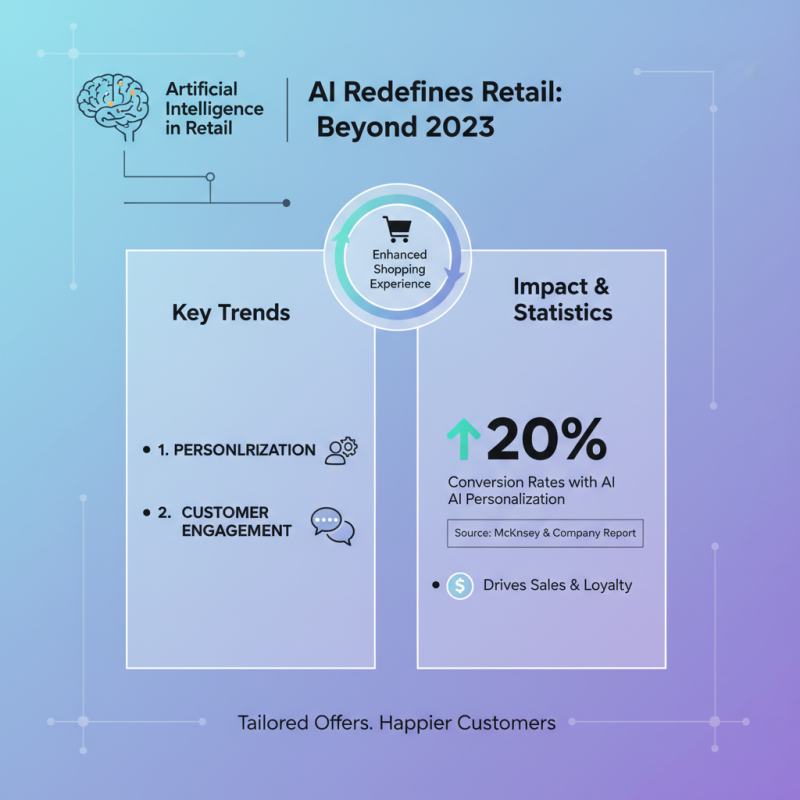
As retailers continue to adapt to the rapidly changing landscape, the integration of artificial intelligence (AI) is set to redefine the shopping experience well beyond 2023. Emerging trends suggest that AI will play a pivotal role in enhancing personalization and customer engagement. According to a report by McKinsey & Company, retail companies that leverage AI for personalization can see conversion rates increase by up to 20% by tailoring offers to individual customer preferences. This shift not only enhances the shopping experience but also drives sales, as consumers are more likely to purchase when presented with relevant products.
Furthermore, the rise of AI-driven analytics will allow retailers to gain unparalleled insights into consumer behavior. Research from Deloitte indicates that the retail sector is projected to invest over $7 billion in machine learning solutions in 2024, enabling more accurate demand forecasting and inventory management. This investment will facilitate a more efficient supply chain, reducing excess inventory and minimizing stockouts. As machine learning algorithms become more sophisticated, retailers will be empowered to make quick adaptations in response to fluctuating market conditions, positioning themselves for success in an increasingly competitive environment. The future of retail is undoubtedly intertwined with the advancements in AI, as it offers the tools necessary to meet evolving consumer expectations.